We ask where something began because we hope its origin will explain what it is. Sometimes it does. But a beginning can also become a story we use to settle questions about belonging, authority, and purpose that the past cannot settle for us.
“Good enough” sounds like a judgement about quality. But before accepting it, I want to know who gets the benefit of stopping, who inherits the unfinished work, and whether those people had any say. A compromise can be sensible and still be unfairly distributed.
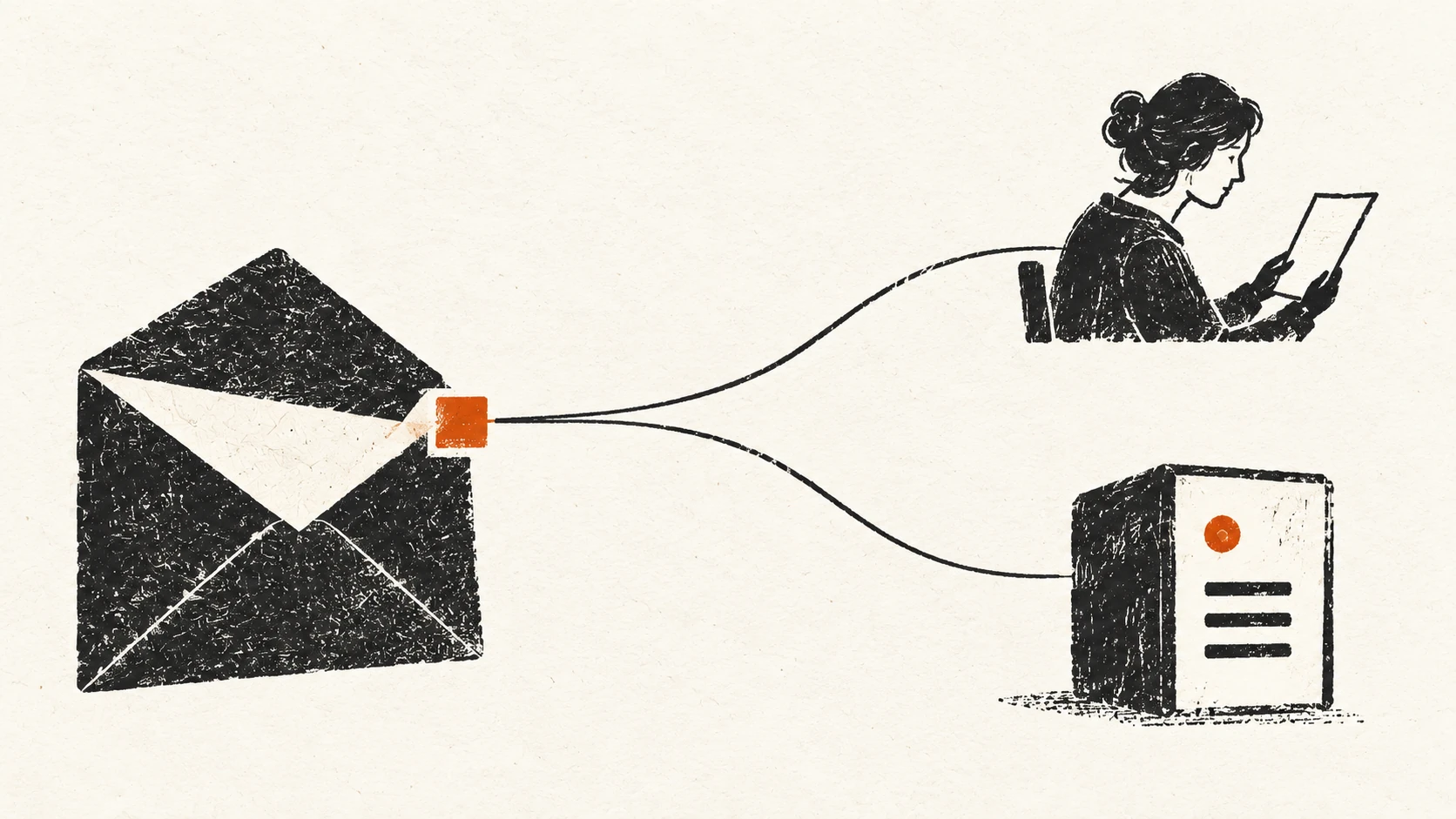
Imagine a campaign report says 42% of recipients opened an email. What does that number mean? Usually, it means the email platform received a request for an image embedded in the message. We call that an open because it has long been a useful proxy for one. But a proxy is not the event itself.
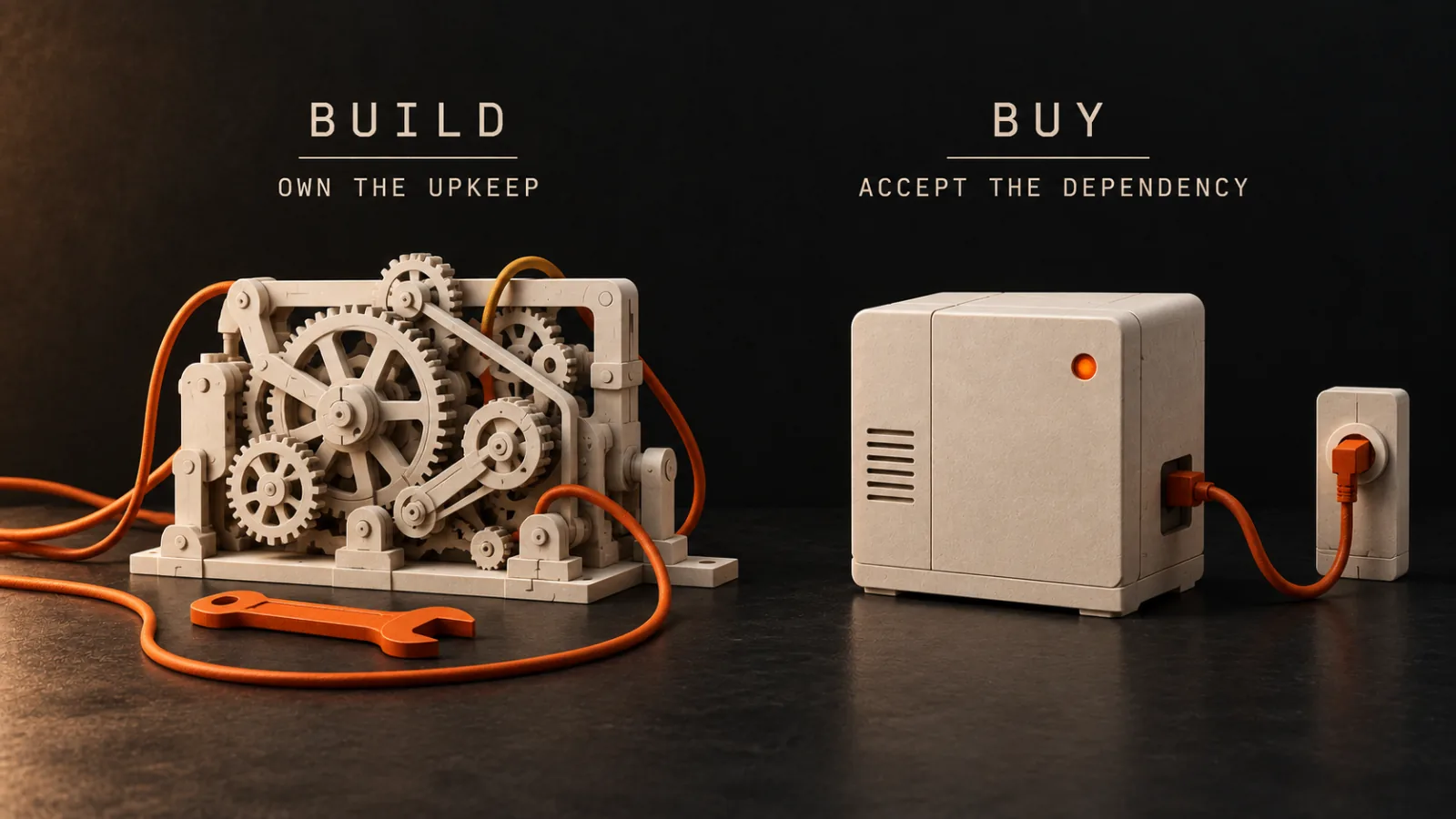
There is a tempting response to an expensive software quote: “We can build this ourselves.” An engineer looks at the product, recognises the components and starts working out an implementation. The price now feels harder to justify.